
What is a Wildlife Sweep?
A pre-construction wildlife sweep is a focused, time-sensitive field survey completed immediately before ground disturbance or construction activity begins. The wildlife sweep is completed in order to to identify, document, and protect wildlife species of concern and wildlife habitat features that could be directly affected by the planned work. It is not a broad “inventory,” but a targeted, context-specific check that confirms whether protected wildlife or legally protected wildlife habitat features are present within the construction footprint and appropriate buffer (generally 100 meters (m)).
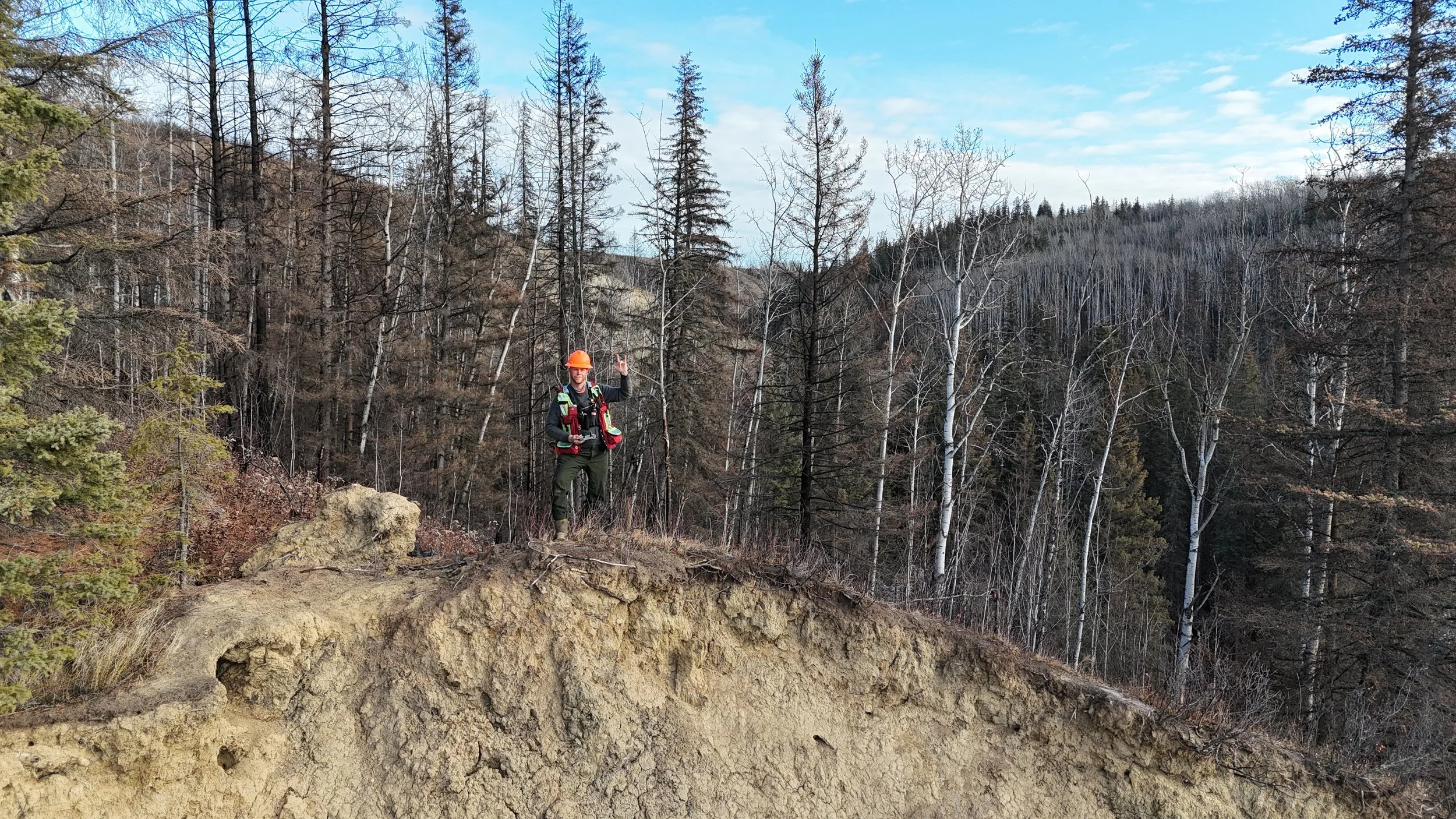

In Alberta, it is a legal requirement that project proponents retain a qualified wildlife professional to complete a pre-construction wildlife sweep before initiating any ground disturbance or construction activity. This requirement arises from the need to demonstrate due diligence and compliance with provincial legislation and approval conditions, particularly under the Alberta Wildlife Act and its associated regulations, as well as the environmental approval frameworks that reference the Master Schedule of Standards and Conditions (MSSC) and associated wildlife suite / wildlife sweep protocols for industrial activities.
Legal Requirement
What are some key Wildlife Features we are looking for?

Stick Nests
Large stick nests are a primary wildlife habitat feature targeted during a pre-construction wildlife sweep. Stick nests used by species such as osprey, bald eagle, northern goshawk, several owl species, and other raptors may trigger species-specific setback buffers when they are identified within the project footprint or its designated survey buffer.
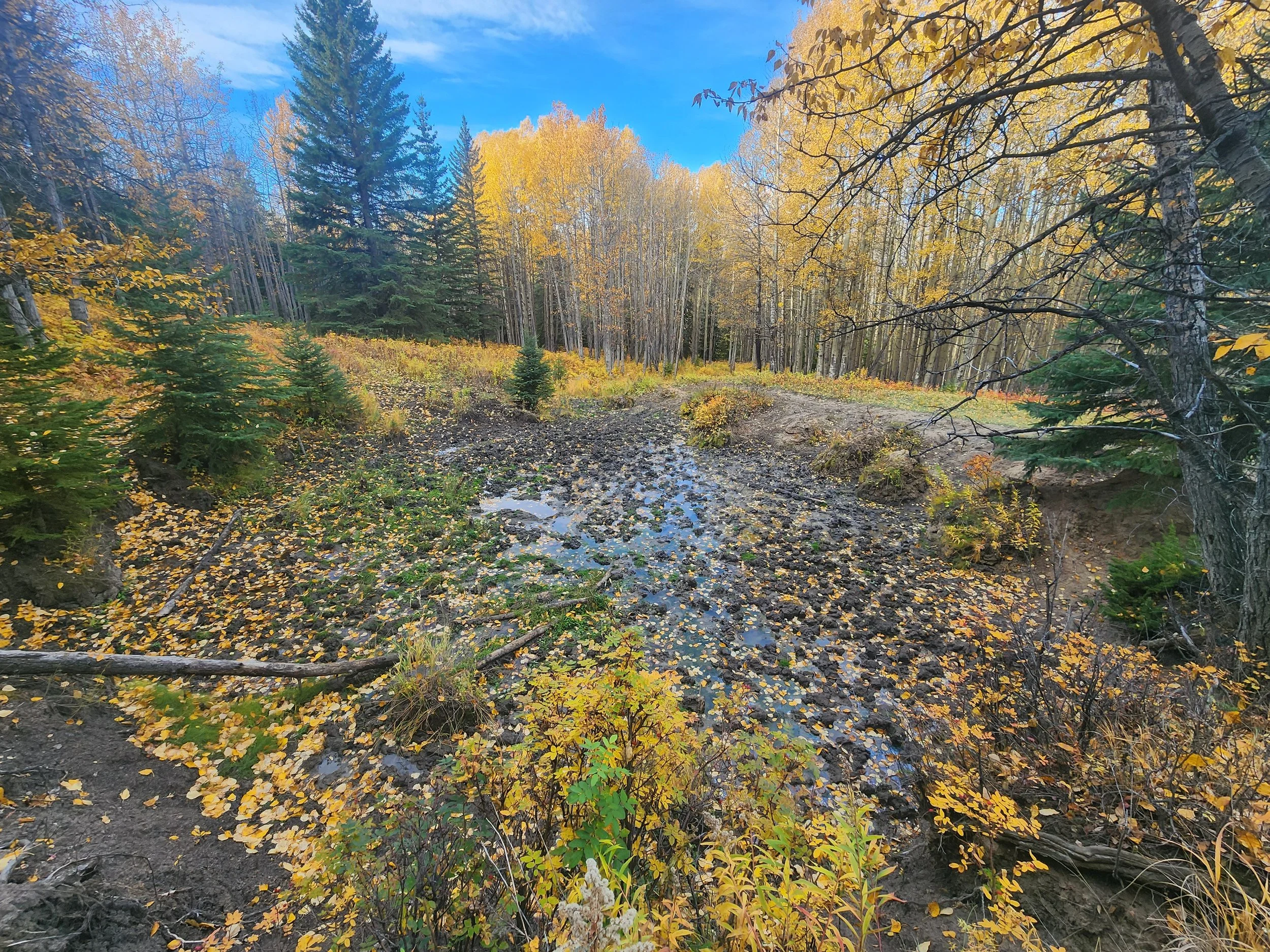
Mineral licks and wallows are key wildlife habitat features targeted during a pre-construction wildlife sweep. Features used by ungulates and other large mammals may trigger species-specific setback buffers when active mineral licks or wallows are identified within the project footprint or its designated survey buffer.
Mineral Licks & Wallows
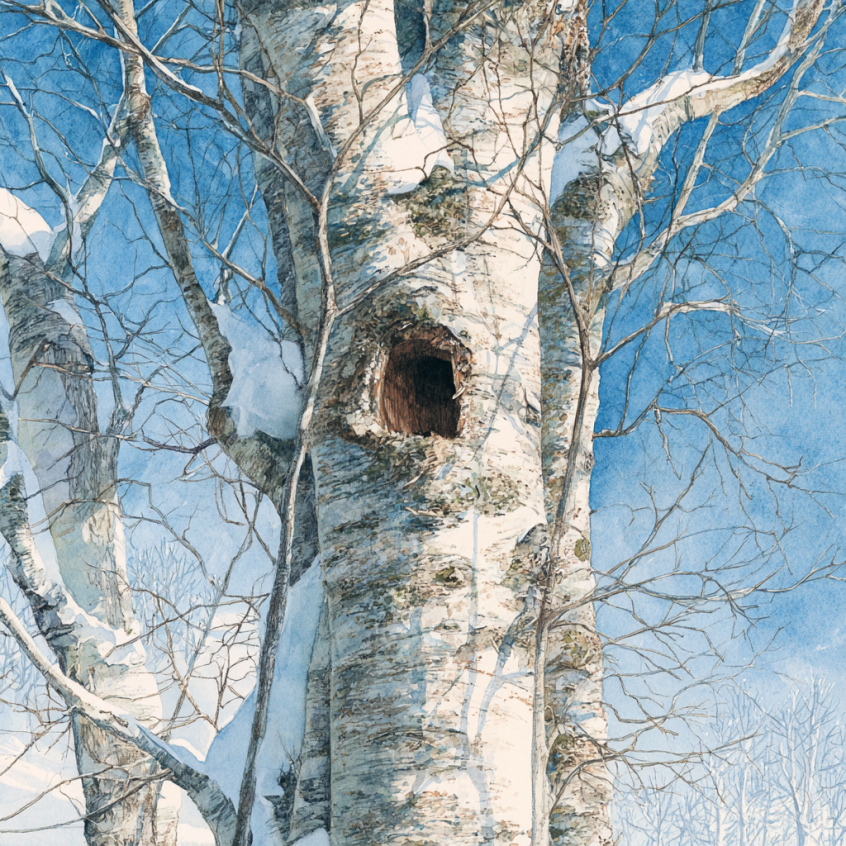
Nesting/denning tree cavities
Tree cavities used for nesting and denning, particular focus is placed on Pileated Woodpecker nesting cavities, which are protected under the Migratory Birds Convention Act and are commonly managed as habitat features that require year-round avoidance. Cavities used by small mammals such as pine marten and fisher are also treated as sensitive features.

Bear Den Sites
Bear den sites are critical wildlife habitat features targeted during a pre-construction wildlife sweep. Both black bears and grizzly bears are species of management interest; however, active grizzly bear dens in particular typically require substantial species-specific setback buffers when identified within the project footprint or its designated survey buffer.
Wildlife Sweep - Quick FACTS
Still have questions? Take a look at the FAQ or reach out anytime. If you’re feeling ready, go ahead and apply.
-
Many Alberta project approvals require wildlife sweeps under the Alberta Wildlife Act, MSSC approval conditions, and federal legislation to demonstrate due diligence before ground disturbance.
-
To remain valid, wildlife sweeps are typically completed within 7–10 days of clearing or ground disturbance to account for changing wildlife activity.
-
Standard practice includes surveying the project footprint plus a buffer area (often ~100 m) to ensure wildlife features near the work area are identified and protected.
-
If a wildlife feature is identified, appropriate buffers, timing restrictions, or mitigation measures are applied. In many cases, work can continue outside the buffered area while maintaining compliance.
-
Alberta regulations and approval conditions require sweeps to be completed by trained and experienced environmental professionals capable of identifying wildlife features and regulatory constraints.